Stay connected. Have an impact.
Be part of the global CCS conversation. Stay informed, share ideas, and help shape the future of carbon management through collaboration and action.
Dive into our reports and publications for the latest thinking on CCS. Explore trusted research shaping decisions across policy, investment, and deployment.

This fact sheet explains how CO₂-enhanced oil recovery with carbon capture and storage (CCS) works and its potential role in wider carbon management. It explores how the approach can help offset capture costs and support transport and storage infrastructure. It also highlights the importance of verifying permanent CO₂ storage and using life cycle assessment to evaluate potential climate benefits.
Search

30 September 2026
As Poland builds momentum behind carbon capture and storage, the foundations for commercial-scale deployment are increasingly taking shape. The Institute’s latest report examines Poland’s industrial need, significant CO₂ storage potential and growing project activity, alongside the policy, infrastructure and financial conditions that could support the development of a functioning CCS market.
23 July 2026
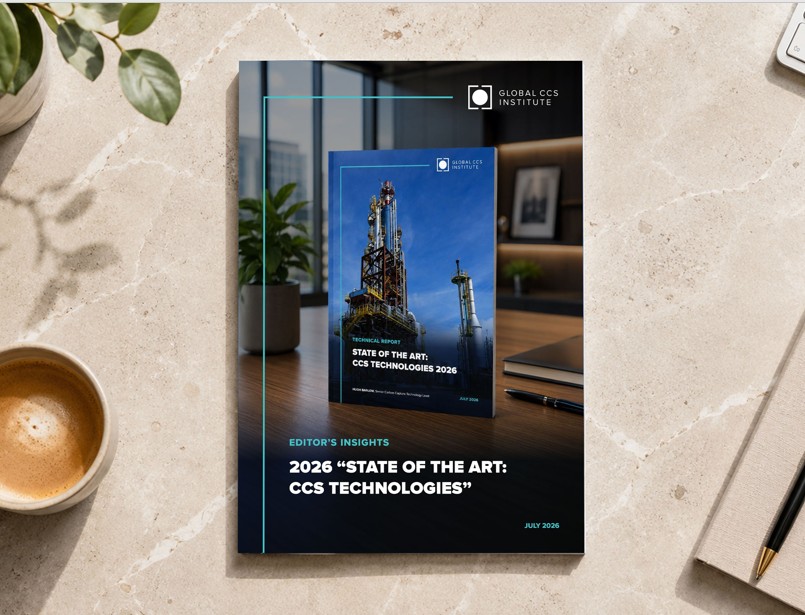
This companion publication captures key observations from this year’s technology compendium, which features more than 190 solutions from over 90 leading companies. Discover the emerging trends, key themes, and insights shaping carbon capture and storage technology landscape.
14 July 2026
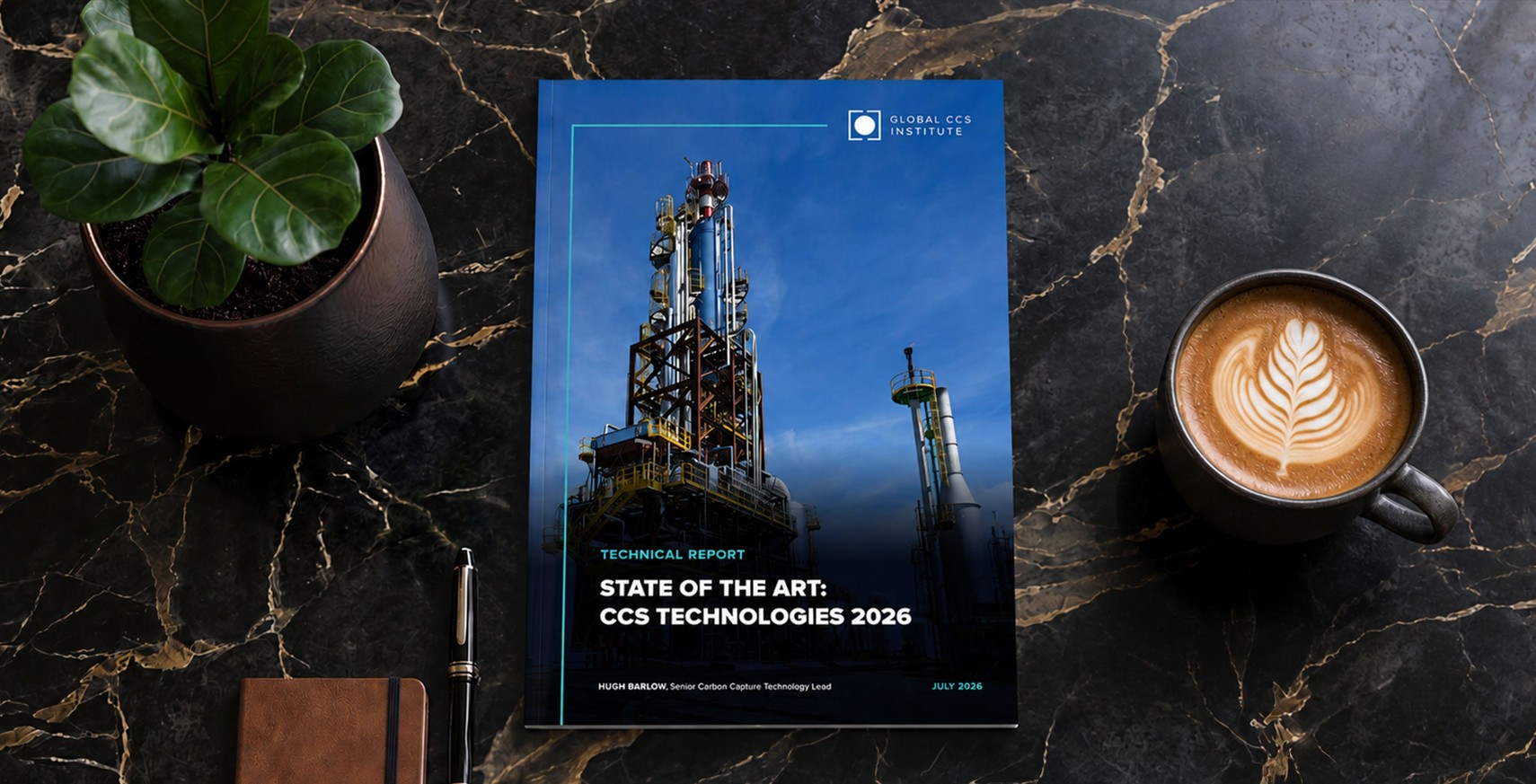
As CCS continues to scale-up, understanding the technologies available across the market is key. Featuring more than 190 CCS technologies from over 90 leading companies, the Institute's technology compendium offers a comprehensive overview of the innovations supporting the continued growth and development of CCS.
9 July 2026
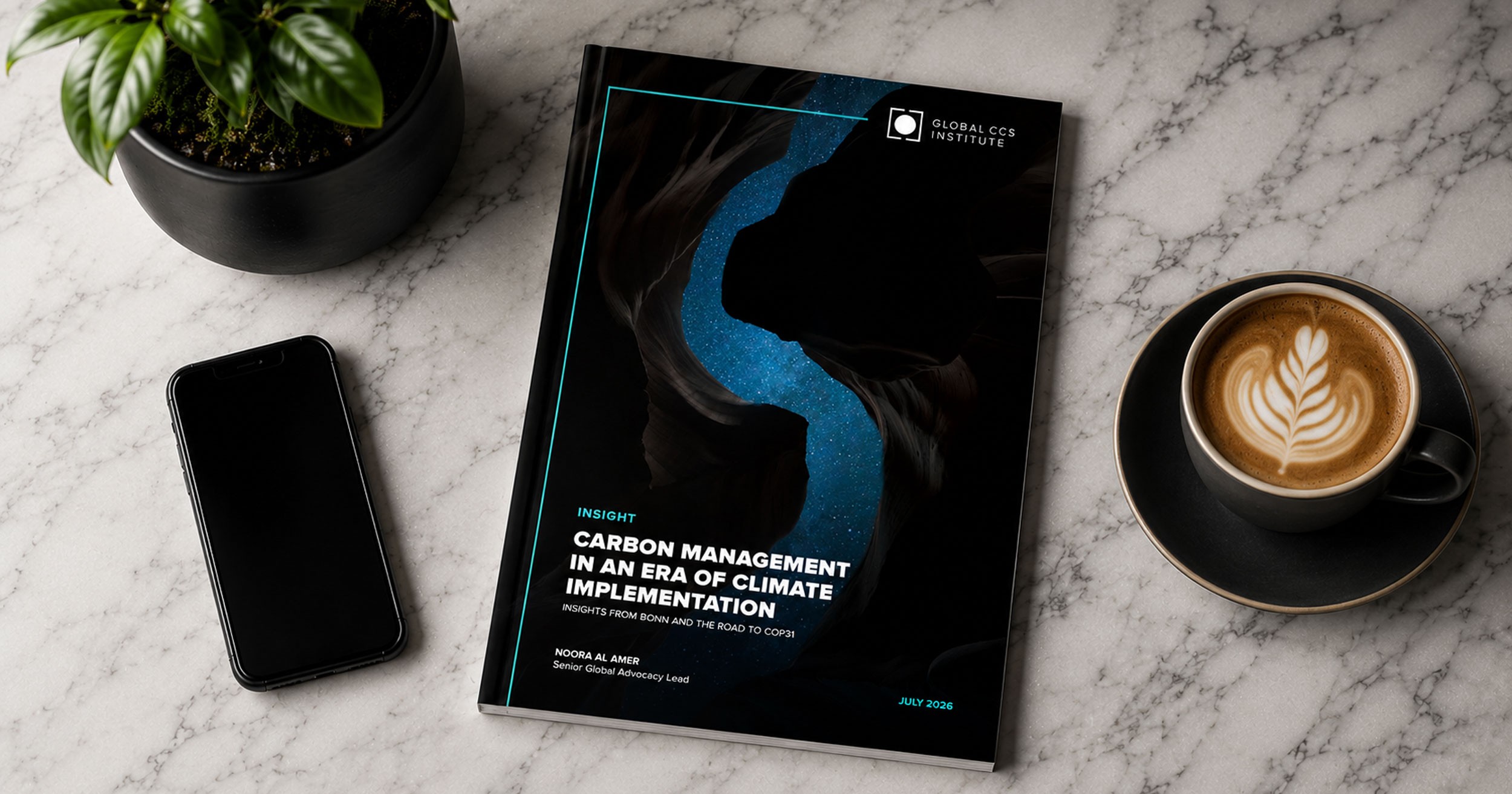
This insight examines the key discussions and emerging priorities from the Bonn Climate Change Conference, exploring their implications for carbon management ahead of COP31. It highlights key developments as it relates to Nationally Determined Contributions (NDCs), Article 6, finance and technology, and the policy frameworks that will enable CCS and carbon management further.

23 June 2026
Our Cement with CCS Q&A provides answers to common questions across themes of CCS basics, integration and scaling in the cement sector.

6 June 2026
Read this brief, CCS and CDR in the UNFCCC: Key Policy Entry Points, for an overview of how carbon capture and storage (CCS) and carbon dioxide removal (CDR) are reflected across UNFCCC processes. It highlights key policy entry points, including national climate plans, carbon markets, transparency frameworks, the Global Stocktake, climate finance discussions and more.

27 May 2026
Read the latest update on the status of CCUS in France. France has continued to advance its approach to CCUS through new policy progress, regulatory developments, and project momentum. This publication examines how the CCUS landscape is developing and where progress has been made.

11 May 2026
This report provides an overview of global carbon capture and storage (CCS) policy, legal and regulatory developments over the 2025 calendar year, and the status of CCS governance regimes. It also provides insights into global and regional trends over this period, including initiatives by governments to support the large-scale deployment of CCS.

21 January 2026
CCUS is poised to become a major pillar of China’s strategy to achieve carbon neutrality before 2060. This report identifies existing regulatory gaps and offers actionable recommendations to assist China in establishing an environmentally responsible and internationally aligned framework for geological storage.

16 December 2025
The Global CCS Institute’s COP30 Outcomes report reviews the Belém summit, highlighting progress on translating political consensus into operational frameworks for carbon management technologies. It examines negotiations on fossil fuel transition, voluntary roadmaps, industry engagement, and CCS deployment, underscoring both the challenges and opportunities in advancing carbon management.

16 December 2025
The Global CCS Institute’s latest report, Cost of CO₂ Storage, explores how geological and operational factors influence storage costs. It finds that boundary conditions (whether a reservoir behaves as an open or closed system) are the key determinant, shaping the economics of CO₂ storage and informing scalable, cost-effective deployment strategies.

5 November 2025
Shipping is steadily emerging as an attractive alternative for CO₂ transport, especially for early movers in CCS project planning. This report, published by the Global CCS Institute, provides a review of the status of shipping-based CO₂ transport and an assessment of its medium-term prospects over the next 15 years.
Be part of the global CCS conversation. Stay informed, share ideas, and help shape the future of carbon management through collaboration and action.